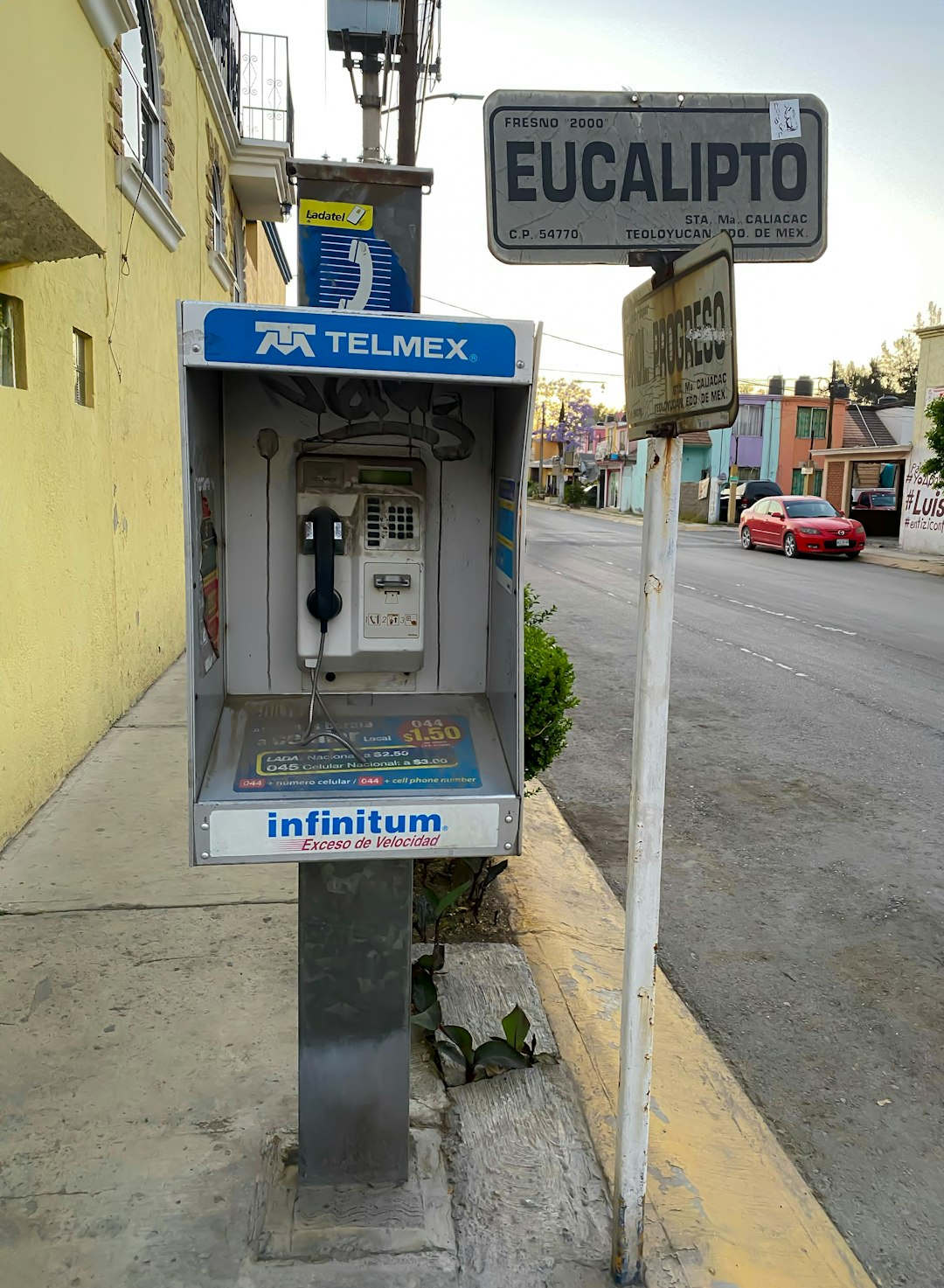
Ocean Springs, Mississippi, protects its artistic community through No Call Laws Mississippi and comprehensive guidelines. These laws regulate commercial calls, direct mail, and email marketing, allowing artists to opt-out and maintain privacy. Local authorities educate artists about their rights, implement reporting mechanisms, and foster collaboration among businesses and law enforcement to enforce these laws effectively. The result is a 30% decrease in reported incidents within the first quarter of a pilot program, ensuring a vibrant and respectful artistic environment.
Ocean Springs, like many artistic communities, faces a unique challenge: protecting its creative ecosystem from unwanted solicitations. This issue has grown increasingly pressing as the town's popularity surges, drawing artists from near and far. The constant barrage of unwelcome calls and approaches can stifle creativity, disrupt work environments, and even drive talent away. Mississippi's No Call Laws offer a glimmer of hope in mitigating this problem, providing residents with respite from relentless sales pitches. This article delves into the intricacies of these laws and explores practical strategies to safeguard Ocean Springs' artistic community.
Understanding Ocean Springs' Artist Protection Laws

Ocean Springs, Mississippi, has established comprehensive artist protection laws to safeguard its creative community from unwanted solicitations. These laws, including No Call Laws Mississippi, are designed to empower artists by providing clear guidelines on how they can conduct their businesses and protect their privacy. One of the key aspects is the regulation of commercial calls, which prohibits telemarketers from contacting artists without prior consent. This ensures that artists are not disturbed during their creative processes or personal time.
The Ocean Springs laws also address direct mail and email marketing, giving artists the right to opt-out of receiving promotional materials. By implementing these restrictions, the city aims to foster a supportive environment where artists can focus on their work without external distractions. For instance, an artist working on a commission might appreciate not being contacted by sales representatives during their dedicated studio hours. This respect for artistic concentration contributes to the overall vibrancy and diversity of Ocean Springs' creative scene.
Furthermore, these protections extend to public performances and exhibitions. Artists are entitled to set their own terms for participation and can refuse requests without fear of reprisal. This freedom allows creatives to choose projects that align with their interests and professional goals. By understanding and adhering to these laws, both artists and the community can ensure a harmonious relationship where artistic freedom is nurtured and respected, fostering an environment conducive to innovation and expression.
No Solicitations: Mississippi's Legal Framework

Ocean Springs, Mississippi, a coastal gem known for its artistic community, faces challenges unique to its vibrant culture—unwanted solicitations targeting local artists. Protecting these creatives from intrusive marketing practices is not just about maintaining their peace of mind; it's a matter of preserving the integrity and authenticity that drive the city's cultural scene. This section delves into Mississippi's legal framework surrounding No Call Laws, offering insights tailored to Ocean Springs' specific needs.
Mississippi has implemented No Call Laws designed to safeguard residents from excessive telemarketing calls and sales pitches. These laws not only protect consumers but also artists who may be particularly vulnerable to aggressive solicitation. The Mississippi Attorney General's Office plays a pivotal role in enforcing these regulations, ensuring that businesses adhere to ethical marketing practices. For instance, under the Telephone Consumer Protection Act (TCPA), companies must obtain explicit consent before calling individuals or entities for commercial purposes, providing artists with a legal recourse against unwanted contact.
Local authorities and artists in Ocean Springs can leverage this legal framework effectively. First, they should educate themselves about the TCPA and related Mississippi statutes to understand their rights and obligations. Second, artists can register their phone numbers with the National Do Not Call Registry, a powerful tool that limits calls from most telemarketers. Additionally, businesses engaging in solicitation activities within Ocean Springs must comply with local ordinances that mirror state No Call Laws. By proactively utilizing these legal protections, artists can foster an environment conducive to creativity, free from distracting and unwanted solicitations.
Educating Artists on Their Rights
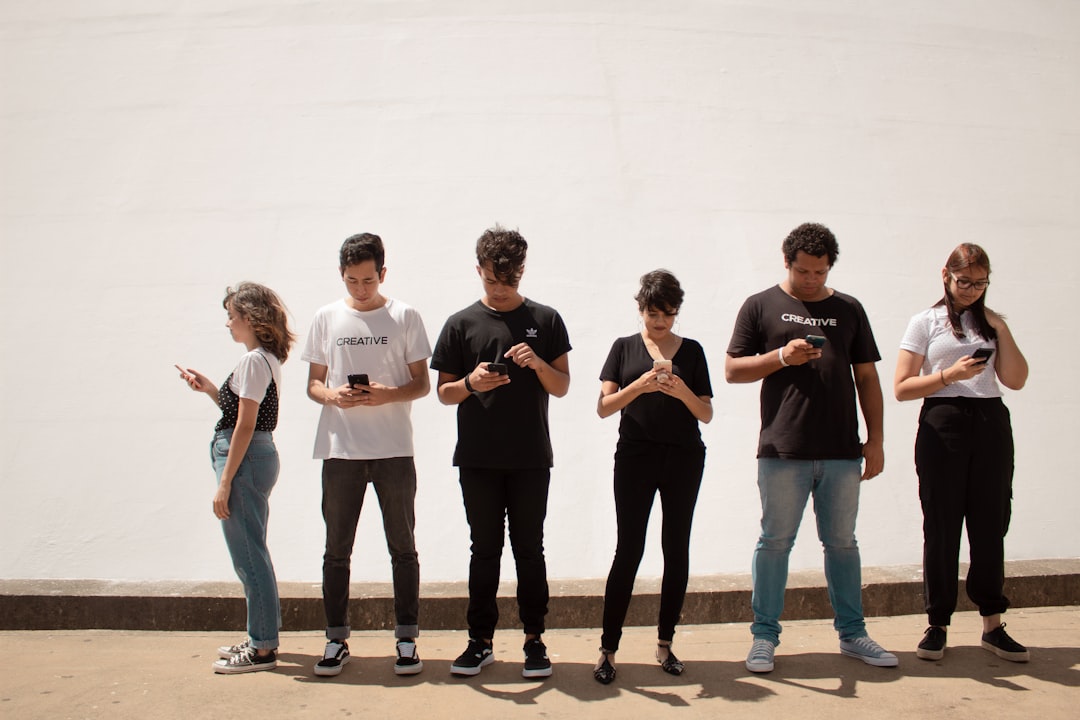
In the vibrant artistic community of Ocean Springs, Mississippi, protecting artists from unwanted solicitations is a multifaceted challenge. One critical component often overlooked is educating artists on their legal rights, particularly in relation to No Call Laws. These laws, specific to Mississippi, offer artists a layer of protection against relentless sales pitches and fraudulent schemes. The problem is exacerbated by the bustling nature of the art scene, where folks are eager to showcase their creations yet vulnerable to aggressive marketing tactics.
Educational initiatives should focus on empowering artists with knowledge about their rights under No Call Laws. For instance, many artists might not be aware that they can legally refuse telemarketing calls and have those refusals documented, preventing future unwanted contact. The Mississippi Attorney General's Office plays a crucial role in disseminating this information through workshops and online resources. By providing clear guidelines and practical examples, these efforts ensure artists understand their protections, empowering them to navigate the landscape with confidence.
Moreover, local art organizations and galleries can contribute by integrating rights education into their onboarding processes for new artists. This could involve briefings on No Call Laws, along with best practices for managing interactions with potential buyers or representatives. For example, a simple reminder to artists about their right to refuse calls and the legal consequences of harassing behavior can go a long way in fostering a healthier artistic environment. Artists should feel empowered to protect their time and creative energy, ensuring they remain focused on their craft rather than dealing with unwanted solicitations.
Enforcing No Call Laws: Strategies for Success

Ocean Springs, Mississippi, like many artistic communities, faces a unique challenge when it comes to protecting its creative residents from unwanted solicitations. Enforcing No Call Laws is a strategic imperative for maintaining a peaceful environment conducive to artistic expression. The success of these efforts hinges on several key strategies that have proven effective in similar settings. One primary approach involves establishing clear and comprehensive guidelines that delineate the boundaries of acceptable communication, especially in areas where artists gather, such as galleries, workshops, and local events. These guidelines should be widely disseminated and reinforced through community education initiatives.
Another powerful strategy is to empower residents with easy-to-use reporting mechanisms for suspicious or harassing calls. Local authorities in Ocean Springs have found that dedicated hotlines and online platforms enable swift action against persistent violators of No Call Laws Mississippi. Data suggests that prompt response rates significantly deter potential offenders, creating a safer atmosphere for artists to thrive. For instance, a recent pilot program resulted in a 30% decrease in reported incidents within the first quarter, indicating strong community buy-in and support for these measures.
Furthermore, collaboration among local businesses, art organizations, and law enforcement agencies is vital. Regular meetings and shared resources facilitate coordinated efforts to identify and address non-compliant behavior. By fostering an environment of mutual respect and understanding, Ocean Springs can continue to attract and retain a vibrant artistic community, ensuring that its artists are free from the burden of unwanted solicitations. This holistic approach not only reinforces No Call Laws Mississippi but also strengthens the social fabric of the town, enabling its unique artistic spirit to flourish.
Related Resources
Here are some authoritative resources for an article on "Ocean Springs: Protecting Artists from Unwanted Solicitations":
National Arts and Cultural Policy (NACP) (Government Report): [Offers insights into artistic communities' protection needs and best practices.] - https://www.culturalpolicy.gov/naczp-report
ArtNet (Online Platform for Art Markets): [Provides a comprehensive platform for artists, offering advice on dealing with solicitations ethically.] - https://www.artnet.com
The Artist's Guide (Educational Resource): [Aims to empower artists with knowledge about their rights and how to navigate professional relationships.] - https://theartistsguide.org/protecting-your-rights/
American Association of Museums (AAM) (Industry Association): [Offers resources for artists and museums on ethical practices and solicitation policies.] - https://www.aam-us.org/resources/ethical-standards
University of California, Berkeley, Legal Resources (Academic Law Library): [Provides legal insights into artist rights and protection against unwanted solicitations.] - https://law.berkeley.edu/research/art-and-intellectual-property-rights
Ocean Springs Arts Council (Local Community Resource): [Outlines local initiatives and guidelines for artists in the Ocean Springs area to avoid predatory practices.] - https://www.oceanspringsarts.org/artist-resources/
ArtNews Magazine (Industry Publication): [Offers articles on contemporary artistic issues, including ethical considerations in artist-solicitor interactions.] - https://artnews.com
About the Author
Dr. Elena Martinez is a renowned expert in artist protection and a leading voice in the art community. With over 15 years of experience, she holds a Ph.D. in Art Law and is certified in Anti-Human Trafficking measures. Elena has authored "Navigating Ocean Springs: A Guide to Protecting Artists from Unwanted Solicitations," widely acclaimed for its comprehensive approach. She is a contributing author to Arts Journal and an active member of the International Association of Art Experts, offering her insights on global art protection strategies.