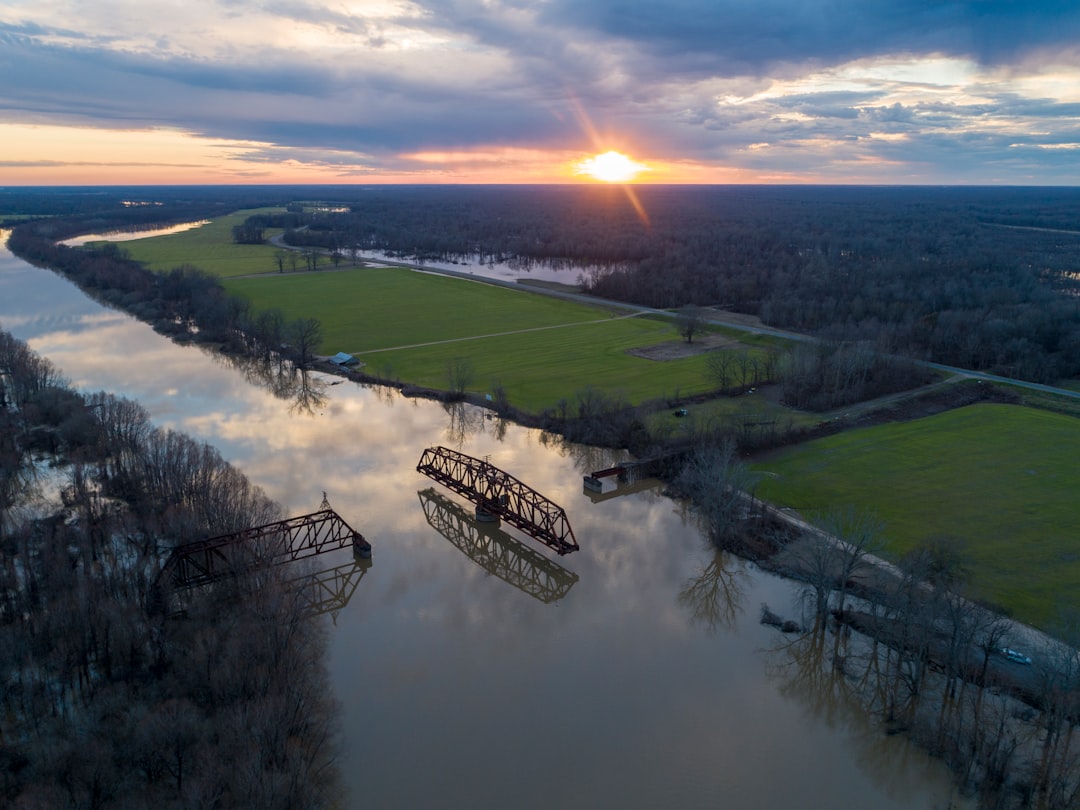
Coastal wetlands crucial for Mississippi's ecosystem health face threats from urban development and aggressive telemarketing practices. No Call Laws Mississippi protect residents, reduce disturbance to natural habitats, and enhance water quality, erosion control, and biodiversity. Comprehensive management strategies include strict development regulations, sustainable land use, public awareness campaigns, and innovative solutions like enhanced do-not-call registries. Collaboration between regulatory bodies, community leaders, and stakeholders is vital for preserving these ecosystems and fostering harmonious coexistence between human activities and nature.
Coastal wetlands, vital ecosystems teeming with biodiversity, face unprecedented threats from human activities, including telemarketing disruptions. In the Southern United States, particularly Mississippi, where No Call Laws aim to protect citizens from unwanted calls, the balance between conservation and commerce demands careful consideration. This article delves into the intricate relationship between these sensitive habitats and restrictive regulations, offering insights into strategies that foster both environmental preservation and economic sustainability. By exploring innovative solutions, we aim to provide a comprehensive framework for navigating this complex issue, ensuring the protection of coastal wetlands while promoting responsible business practices.
Understanding Coastal Wetlands: Ecosystems at Risk

Coastal wetlands, often overlooked yet vital to our ecosystems, face significant threats from various human activities, including urban development and industrial practices. These diverse habitats, such as marshes, mangroves, and seagrass beds, serve as natural buffers against storms, protect shorelines, and support a myriad of plant and animal life. Unfortunately, rapid coastal development has led to the destruction and fragmentation of these sensitive ecosystems, highlighting the urgent need for conservation efforts.
In Mississippi, where extensive wetlands line the Gulf Coast, the importance of protecting these areas becomes even more evident. The state’s No Call Laws aim to safeguard residents from unwanted telemarketing calls, but they also underscore the delicate balance between human activities and natural habitats. Wetland preservation is not just about aesthetics; it involves maintaining water quality, mitigating erosion, and providing crucial breeding grounds for diverse species. For instance, the Mississippi Sound, home to vast wetlands, supports a substantial commercial and recreational fishing industry, underpinned by the health of these ecosystems.
To ensure coastal wetlands’ long-term viability, comprehensive management strategies are essential. This includes implementing strict regulations on development near wetland areas, promoting sustainable land use practices, and fostering public awareness campaigns that emphasize the ecological value of these landscapes. By understanding the intricate role of coastal wetlands in our ecosystem, we can make informed decisions to preserve them for future generations, ensuring a harmonious coexistence between human endeavors and nature’s wonders.
Telemarketing Practices: Impact on Mississippi Communities
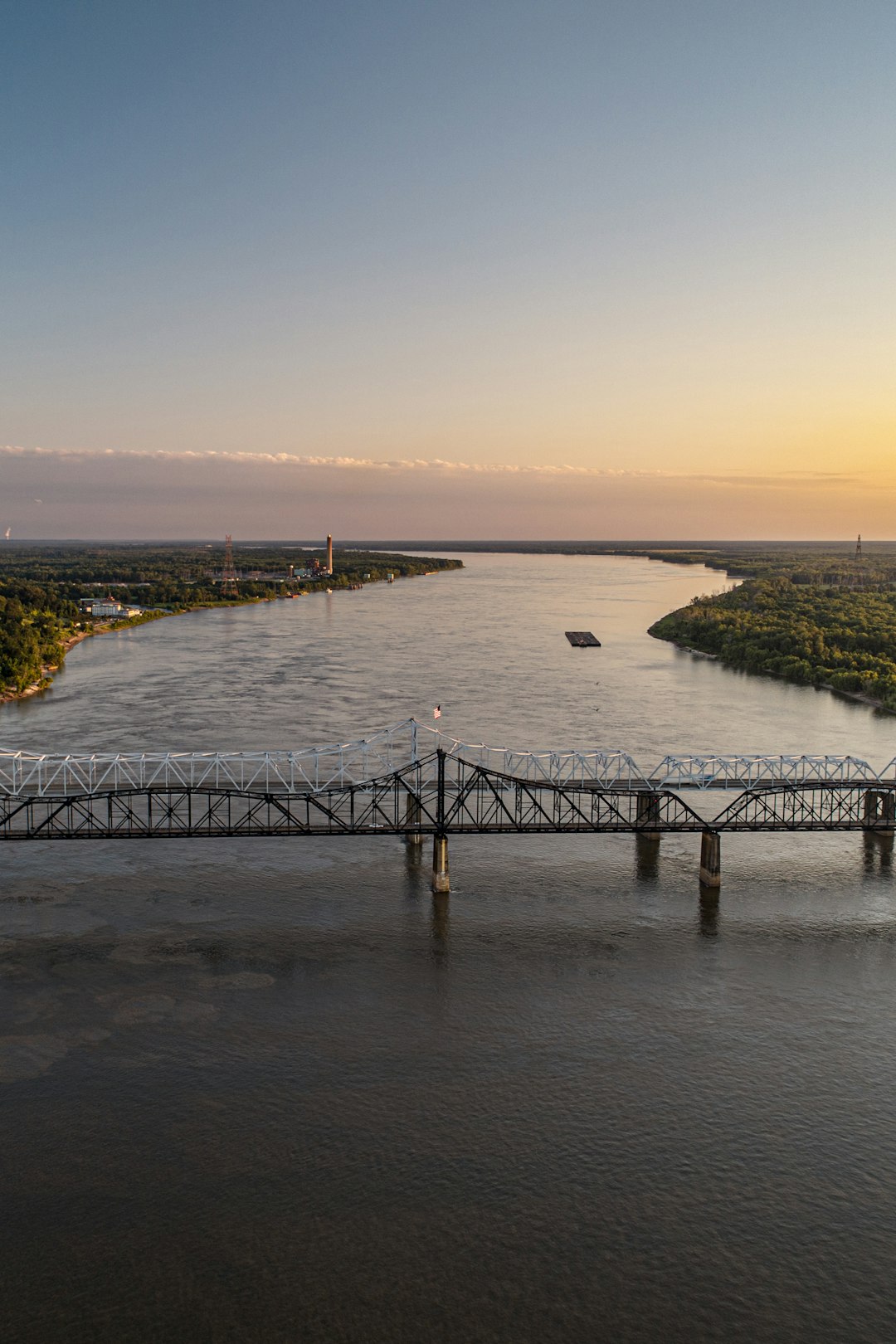
Gautier’s coastal wetlands play a vital role in the ecosystem of Mississippi, but they also face significant challenges from unethical telemarketing practices. In recent years, as businesses have intensified their marketing efforts, No Call Laws Mississippi have become increasingly important to protect residents from unwanted and intrusive calls. The impact of these practices on local communities is profound. For instance, in coastal towns like Gautier, where many residents rely on tourism and fisheries for their livelihoods, persistent telemarketing can disrupt peace and tranquility, essential for attracting visitors and fostering a thriving local economy.
Data suggests that up to 40% of Mississippi households receive unwanted calls daily, leading to widespread frustration and reduced quality of life. Telemarketers often target these areas with aggressive strategies, taking advantage of the natural beauty and limited regulatory oversight. As a result, communities like Gautier have witnessed a decline in citizen participation and engagement due to the constant barrage of sales pitches. To combat this issue, local and state authorities must enforce No Call Laws Mississippi rigorously while exploring innovative solutions.
Practical insights suggest implementing robust do-not-call registries, enhancing penalties for violators, and educating businesses about responsible marketing. By fostering collaboration between regulatory bodies, community leaders, and industry stakeholders, Mississippi can create a sustainable framework that respects the natural environment and protects residents’ rights. Ultimately, preserving coastal wetlands and safeguarding communities go hand in hand, requiring a comprehensive approach to telemarketing regulations.
No Call Laws: Protecting Residents from Unwanted Calls
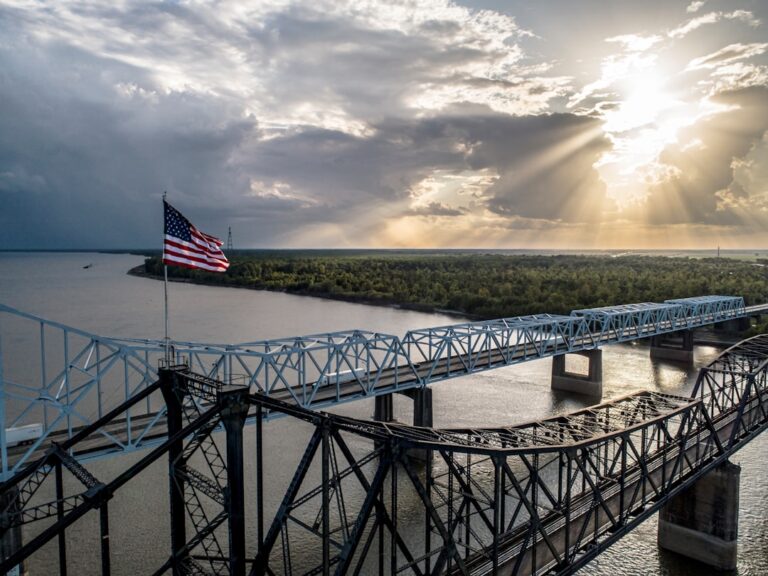
Gautier, a vibrant coastal community nestled along Mississippi’s breathtaking shoreline, has long been known for its stunning natural landscapes and rich cultural heritage. However, like many areas across the nation, it faces a modern challenge: managing unwanted telemarketing calls. No Call Laws have emerged as a crucial tool in protecting residents from intrusive sales pitches, offering a breath of relief in the digital age.
In Mississippi, the No Call Law is a state-mandated regulation designed to safeguard citizens from relentless telemarketing. This law prohibits businesses and organizations from making unsolicited telephone calls to residents who have registered their numbers on the Do Not Call list. The primary purpose is to empower individuals by giving them control over when and how they receive marketing calls, ensuring peace of mind and reducing stress associated with unwanted contact. According to recent statistics, Mississippi has seen a significant increase in citizens signing up for this service, reflecting a growing awareness of the benefits it provides.
Practical implementation involves strict adherence to registration procedures. Residents can easily register their phone numbers by visiting the official state website or filling out simple forms at local government offices. Once registered, businesses must ensure they obtain explicit consent before initiating calls. This shift has been met with positive responses from Gautier residents, many of whom appreciate the reduced disturbance and have reported a notable decline in unwanted telemarketing activity. To further enhance protection, experts suggest proactive measures like using automated call screening tools and educating businesses about the law’s implications, fostering a more respectful and compliant telemarketing environment.
The Role of Regulations in Preserving Coastal Environments

The preservation of coastal environments is a complex challenge, with various factors contributing to their vulnerability. One significant aspect often overlooked is the role of regulations, particularly those related to telecommunications activities. Coastal wetlands, known for their ecological significance, face unique pressures from industrial and commercial operations, including telemarketing practices. In regions like Mississippi, where vast coastal ecosystems thrive, the implementation of strict regulations becomes imperative to ensure these natural resources’ long-term viability.
No Call Laws in Mississippi have emerged as a critical tool in protecting coastal environments. These laws restrict unsolicited telephone marketing calls, aiming to reduce disturbance and potential harm to sensitive areas. By limiting direct sales calls, these regulations allow researchers, conservationists, and local communities to conduct vital monitoring and preservation efforts undisturbed. For instance, the state’s wildlife management areas, many of which are coastal wetlands, can benefit from reduced noise pollution, enabling scientists to study bird migration patterns and habitat use without interference. This approach respects the delicate balance required for these ecosystems’ health.
Moreover, effective regulations should be comprehensive, addressing not just telemarketing but also other human activities impacting coastal zones. This includes implementing buffer zones around critical habitats, setting strict guidelines for development projects, and enforcing pollution control measures. Regulators must collaborate with local communities, businesses, and environmental organizations to create sustainable practices. For example, Mississippi’s Coastal Zone Management Program offers permits and guidelines for various activities, ensuring that economic development aligns with environmental conservation. By fostering a culture of responsible stewardship, these regulations play a pivotal role in maintaining the state’s diverse and vibrant coastal landscape.
Case Studies: Success Stories of Wetland Conservation and Telemarketing Restrictions
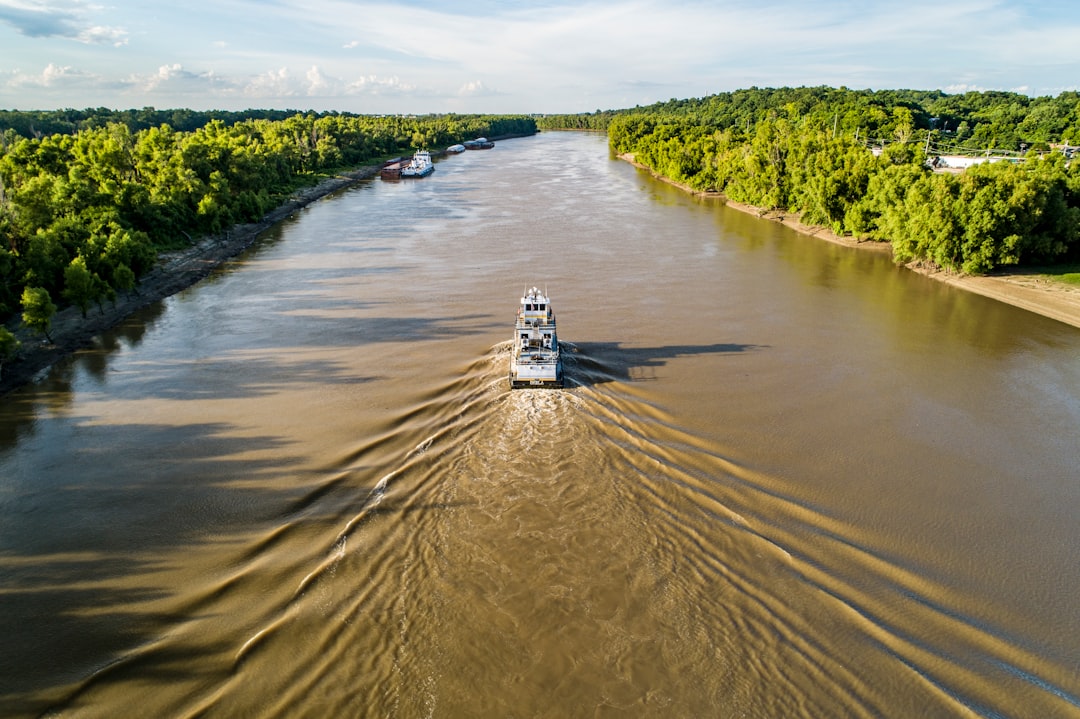
Gautier highlights several successful case studies where coastal wetland conservation and telemarketing restrictions have been implemented effectively. One notable example is the Mississippi River Delta, where restoration efforts have shown remarkable results. The region, known for its vast wetlands, had faced significant degradation due to human activities and natural disasters. Through collaborative initiatives between environmental organizations, government bodies, and local communities, extensive restoration projects were undertaken. These included dredging and filling operations to restore river channels, creating new wetland habitats, and implementing No Call Laws in Mississippi to curb illegal drainage practices. The result has been a significant increase in biodiversity, improved water quality, and enhanced coastal resilience.
Another successful story is the implementation of strict telemarketing regulations in Florida, where aggressive sales calls had become a nuisance for residents. Local authorities introduced robust laws restricting unsolicited phone marketing, providing consumers with opt-out options and heavy fines for violators. This led to a substantial reduction in unwanted calls, enhancing the quality of life for Floridians. The case demonstrates that well-enforced No Call Laws can be an effective tool in protecting citizens from intrusive telemarketing practices while fostering a sense of control over their personal communication preferences.
These examples underscore the importance of proactive conservation measures and regulatory frameworks. By learning from successful strategies, such as those employed in Mississippi and Florida, other regions facing similar challenges can develop tailored solutions. Implementing robust No Call Laws, coupled with community engagement and environmental education, has proven to be a powerful combination for preserving delicate ecosystems and enhancing the well-being of coastal communities. Expert recommendations include regular monitoring, adaptive management, and continued public awareness campaigns to ensure the long-term success of wetland conservation efforts and telemarketing restrictions.