The Evolution and Impact of Mississippi's No-Call Laws
Introduction:
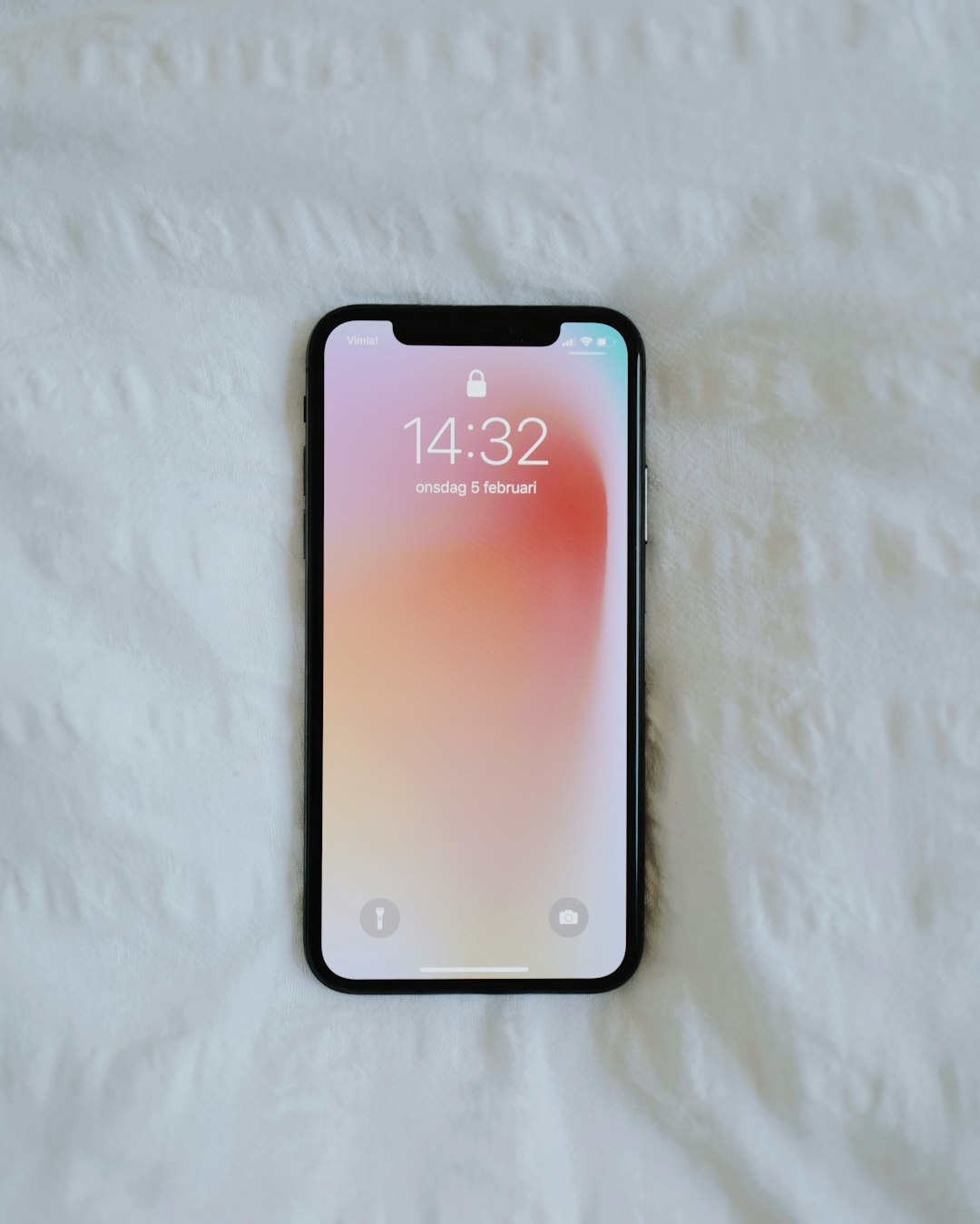
Mississippi's no-call laws have been a subject of significant discussion and analysis, particularly in the realm of consumer protection. These laws were designed to shield residents from unwanted telemarketing calls and robocalls, thereby preserving their privacy and reducing harassment. This comprehensive article will delve into the intricacies of Mississippi's no-call laws, their impact on individuals and businesses alike, and how they fit within a broader context of telecommunications regulation. Readers will gain a deeper understanding of the laws, their enforcement, economic implications, and the role of technology in shaping their effectiveness.
Understanding No-Call Laws in Mississippi:
No-call laws are legislative measures enacted to restrict telemarketers and robocallers from making unsolicited calls to consumers who have registered on a national Do Not Call (DNC) registry. Mississippi's no-call law complements the federal DNC registry by providing additional protections for its residents. These laws are significant as they balance the interests of businesses in marketing their products with the rights of individuals to control their personal time and communication channels.
The core components of Mississippi's no-call laws include:
- Registration in the national DNC registry, which is free of charge.
- Prohibitions against telemarketing calls to registered individuals after their number has been on the DNC list for 31 days or more.
- Penalties for violations, including fines and legal action.
These laws have evolved over time, reflecting technological advancements and shifts in consumer behavior, particularly with the rise of robocalls, which have become a pervasive issue.
Global Impact and Trends:
The impact of no-call laws extends beyond Mississippi's borders, influencing global telecommunications practices. Internationally, similar regulations are being enacted as countries recognize the importance of protecting citizens from invasive and unwanted calls. Key trends shaping this trajectory include the increasing sophistication of robocall technology, the development of caller ID verification services, and the integration of artificial intelligence in detecting and preventing fraudulent calls. The African continent, for instance, has seen a surge in regulatory frameworks aimed at addressing the challenges posed by telemarketing and spam calls.
Economic Considerations:
From an economic perspective, no-call laws impact market dynamics by influencing consumer trust and behavior. Businesses must navigate these regulations to avoid penalties while still effectively reaching potential customers. Investment patterns in telecommunications technology are also affected, with more resources allocated to developing anti-spam solutions and call authentication systems. The role of no-call laws in economic systems is multifaceted, balancing the need for business growth with consumer protection and the overall health of the market.
Technological Advancements:
The fight against unwanted calls has been bolstered by significant technological advancements. Caller ID verification, such as STIR/SHAKEN frameworks, has become a standard for authenticating legitimate calls. Machine learning algorithms are employed to detect and filter out spam and fraudulent calls, significantly reducing the number of illegal robocalls reaching consumers. Future potential includes the development of blockchain technologies that could offer immutable records of call authorization, enhancing the effectiveness of no-call laws.
Policy and Regulation:
The governance of no-call laws involves a complex web of federal and state regulations, including the Telemarketing Sales Rule (TSR) and the FCC's rules implementing the TCPA (Telephone Consumer Protection Act). These policies are subject to revision as technology evolves and new challenges arise. The legislative framework is critical in ensuring that no-call laws remain relevant and effective, adapting to the changing landscape of telecommunications.
Challenges and Criticisms:
Despite their intent to protect consumers, no-call laws face criticisms and challenges. One significant challenge is the proliferation of spoofing tactics used by scammers to evade detection. Additionally, small businesses may find compliance with these laws burdensome. To address these issues, multi-layered strategies that combine technology, education, and enforcement are essential. Solutions such as a more robust national DNC registry, increased penalties for violations, and consumer education campaigns can help mitigate the challenges faced by no-call laws.
Case Studies:
Several case studies demonstrate the successful application of no-call laws. One notable example is the implementation of STIR/SHAKEN in Canada, which has significantly reduced the number of illegal robocalls. Another case study involves a U.S. state that saw a marked decrease in consumer complaints following the strict enforcement of its no-call law. These success stories provide valuable insights into effective strategies for combating unwanted calls.
Future Prospects:
The future outlook for no-call laws is one of continuous evolution, driven by technological advancements and the dynamic nature of telecommunications. Emerging trends such as the integration of AI in call centers and the use of blockchain for secure communication will shape the future of these regulations. Strategic partnerships between governments, telecom companies, and technology providers will be crucial in maintaining the effectiveness of no-call laws.
Conclusion:
Mississippi's no-call laws play a vital role in protecting consumers while ensuring that businesses can operate effectively within the bounds of the law. These regulations are part of a larger global effort to address the challenges posed by unwanted calls. As technology advances, so too must the policies and enforcement mechanisms that govern telecommunications. The ongoing collaboration between stakeholders will be key to the continued success and adaptation of no-call laws in an increasingly digital world.
December 5, 2025
No Call Laws Mississippi Expert
Gulf Hills retirement communities in Mississippi offer a vibrant senior lifestyle with focus on community and amenities, protected by state's No Call Laws. These laws safeguard residents from intrusive telemarketing calls, ensuring privacy and peace of mind during retirement. Retirees should en.......
Read more →
December 3, 2025
No Call Laws Mississippi Expert
Friars Point, Mississippi, has demonstrated resilience against economic downturns and legal challenges, including stringent No Call laws. By promoting sustainable development and outdoor recreation, the town attracts businesses valuing natural resources. Local efforts, aided by No Call Law Firms Mis.......
Read more →
December 1, 2025
No Call Laws Mississippi Expert
Mississippi's No Call laws protect residents from unwanted phone solicitations, offering privacy rights and legal remedies against harassment. Key actions include registering on the Do Not Call list, blocking calls, and consulting a No Call Lawyer Mississippi for tailored advice, cease-and-desi.......
Read more →
November 29, 2025
No Call Laws Mississippi Expert
Mississippi's No Call Laws protect consumers from unwanted telemarketing by requiring explicit consent. Cloverdale successfully reduced nuisance calls through a multi-faceted approach: blocking scam numbers, educating residents, and using AI to filter malicious calls. Enforcement by the PSC inc.......
Read more →
November 28, 2025
No Call Laws Mississippi Expert
Mississippi's robust No Call law (2022) curbs spam calls by allowing residents to register for "Do Not Call" lists. The legislation includes protections against text messages and prerecorded calls. Enforcement is handled by the Attorney General's Office with fines up to $10,000/d.......
Read more →
November 26, 2025
No Call Laws Mississippi Expert
Mississippi's robust Spam Call law firm combats illegal telemarketing through stringent enforcement, consumer education, and business involvement. Residents can protect themselves by registering on Do Not Call lists, reporting unauthorized calls, and maintaining records. Key strategies include.......
Read more →
November 24, 2025
No Call Laws Mississippi Expert
Telemarketing scams targeting Mississippi residents, particularly in Clarksdale, involve con artists posing as utility companies demanding urgent payments under threat of disconnection. To protect themselves, consumers should register for the National Do Not Call Registry, be cautious of urgent paym.......
Read more →
November 22, 2025
No Call Laws Mississippi Expert
Telemarketing laws in Mississippi evolved to address consumer privacy concerns, starting with initial regulations in the 1980s, tightening rules in the 1990s, and further refinements in the 2000s focusing on empowering consumers against spam calls. The state has adapted to emerging technologies like.......
Read more →
November 19, 2025
No Call Laws Mississippi Expert
No Call Attorney Mississippi serving Waynesboro, along the Chickasawhay River, must navigate unique environmental and legal challenges tied to the river's role in agriculture and timber. The No Call Strategy, empowering residents to register "do not call" lists for telemarketers, has.......
Read more →
November 18, 2025
No Call Laws Mississippi Expert
Long Beach, Mississippi, balances its vibrant marine ecosystem and industrial heritage, facing challenges like oil spills and diverse cultural backgrounds. Strict no-call zones for environmental conservation require collaboration between community leaders, advocates, and regulatory bodies. A No Call.......
Read more →