Unwanted telemarketing calls persist despite Mississippi's No Call Laws, which aim to protect residents. Consumers like Brandon can combat this by registering on the National Do Not Call Registry, using call-blocking apps with machine learning, and encouraging businesses to adopt ethical calling practices through feedback. These strategies enhance consumer protection against intrusive communications.
In today's digital era, the issue of unwanted phone calls has become an increasingly pervasive problem, impacting millions worldwide. Brandon's Battle Against Unwanted Calls delves into a critical aspect of modern life, exploring strategies to combat relentless telemarketing and robocalls. With a particular focus on Mississippi's No Call Laws, this article offers valuable insights for consumers seeking respite from intrusive phone calls. By examining legal protections and empowering individuals with knowledge, we aim to provide effective solutions to mitigate this growing nuisance, ensuring peace of mind for all.
Understanding Brandon's Dilemma: Unwanted Phone Calls
Brandon's battle against unwanted calls is a common yet complex issue that highlights the challenges of navigating modern communication norms. In today's digital age, phone calls have evolved beyond traditional landlines to include mobile networks and various online communication platforms. While this evolution offers numerous advantages, it also opens the door to intrusive and unwanted communications, particularly for individuals like Brandon who face an overwhelming number of telemarketing and scam calls.
In Mississippi, No Call Laws aim to protect citizens from excessive and unsolicited phone marketing. These laws prohibit businesses from making telemarketing calls to residents who have not given explicit consent. However, the effectiveness of these laws is often limited by technicalities and loopholes exploited by persistent callers. For instance, a recent study revealed that over 70% of Mississippi residents receive at least one unwanted call per week, with many reporting significant distress and disruption to their daily lives. This trend underscores the need for enhanced consumer protection measures and better enforcement of existing laws.
To mitigate the impact of unwanted calls, Brandon can employ several practical strategies. First, registering on the National Do Not Call Registry is a crucial step. This federal list restricts telemarketers from contacting registered numbers for sales or marketing purposes. Additionally, utilizing call-blocking apps and software designed to identify and block specific caller IDs can significantly reduce the volume of intrusive calls. For instance, some advanced systems use machine learning algorithms to detect patterns associated with scam calls, ensuring a more dynamic defense against evolving tactics. Encouraging businesses to adopt ethical calling practices through consumer feedback and advocacy is also essential in fostering a culture of responsible communication.
Legal Framework: Mississippi No Call Laws Explained

In Mississippi, consumers are protected from unwanted telephone solicitations by state laws known as No Call Laws. These regulations aim to safeguard residents' privacy and peace of mind by limiting the number of telemarketing calls they receive. The Mississippi No Call Law is a powerful tool for consumers looking to reduce the influx of unsolicited sales calls.
Under this law, businesses are prohibited from making telemarketing calls to Mississippi residents without their prior consent. This includes live operators as well as automated or prerecorded messages. Consumers have the right to register their phone numbers with the National Do Not Call Registry, which automatically adds them to a list that is respected by both state and federal No Call Laws in Mississippi. By registering, individuals can significantly decrease the volume of marketing calls they receive. Importantly, the law also mandates that companies must provide a clear and conspicuous opt-out option during each call, making it easier for residents to stop future communications.
Enforcement of these rules is handled by the Mississippi Attorney General's Office, which has the authority to investigate complaints and take legal action against violators. Fines can be substantial, serving as a deterrent for businesses engaging in abusive calling practices. As a result, consumers in Mississippi enjoy greater control over their personal communication channels, leading to fewer intrusive sales calls and a better overall experience.
Identifying Sources: Tracking Down Telemarketers
Unwanted telemarketing calls are a pervasive issue, but consumers have tools at their disposal to combat this nuisance. Identifying the sources of these calls is a critical first step in curbing the problem. In the United States, state laws like No Call Laws Mississippi offer protections, but tracing call origins remains a crucial strategy for consumers looking to minimize intrusions.
Telemarketers often use automated systems that make it challenging to distinguish between legitimate and unsolicited calls. However, digital trails left by these bots can be tracked. Consumers can examine their call history for patterns, noting recurring numbers or timeframes associated with the unwanted calls. Advanced caller ID services and block lists are also valuable tools in this process. Some apps even specialize in identifying telemarketers and allowing users to report them, fostering a collective effort to combat persistent violators of No Call Laws Mississippi.
For more robust protection, consumers should register their numbers on national "Do Not Call" registries, which, while not foolproof, significantly reduce the volume of unwanted calls. Additionally, keeping personal information private online and being cautious about sharing contact details can curb potential sources before they begin telemarketing efforts. By combining these strategies, individuals can reclaim control over their communication channels and enjoy greater peace of mind in adherence to Mississippi's No Call Laws.
Protecting Your Rights: Taking Action Against Harassers
Unwanted phone calls, particularly from telemarketers, have long been a nuisance for many consumers. Brandon, like countless others, has faced this challenge. However, what sets his story apart is not just the frequency of these calls but the determination with which he's fought back—a testament to the power of knowing and exercising one's rights. In Mississippi, No Call Laws offer substantial protection against unwanted telemarketing calls, empowering consumers to take proactive measures against persistent harassers.
Brandon's journey began when he started receiving multiple calls daily from various sources, despite being on the National Do Not Call Registry. Frustrated, he decided to document each call, noting the time, caller ID, and the nature of the calls. This meticulous record-keeping was crucial in identifying patterns and potential violations of Mississippi's No Call Laws. He then contacted the Mississippi Attorney General's Office, which provides a robust platform for consumers to file complaints against telemarketers. By submitting his detailed records, Brandon initiated a process that could lead to legal action against the offenders.
Beyond official channels, Brandon also utilized practical strategies. He installed call-blocking apps and hardware filters designed to automatically screen out known telemarketing numbers. These measures not only reduced the volume of unwanted calls but also provided him with a sense of control over his communication environment. Moreover, he encouraged his friends and family to report similar experiences, collectively amplifying the message that such harassment is unacceptable.
To prevent recurrences, Brandon emphasizes the importance of staying informed about consumer protection laws, including Mississippi's No Call Laws. Consumers should not only register for the National Do Not Call Registry but also familiarize themselves with local regulations. Regularly reviewing call history and promptly reporting suspicious or persistent calls can effectively deter telemarketers. By combining official complaints, technological solutions, and collective action, consumers like Brandon can transform their experiences from frustrating battles into successful defenses of personal communication space.
Effective Solutions: Stopping Unwanted Calls Forever
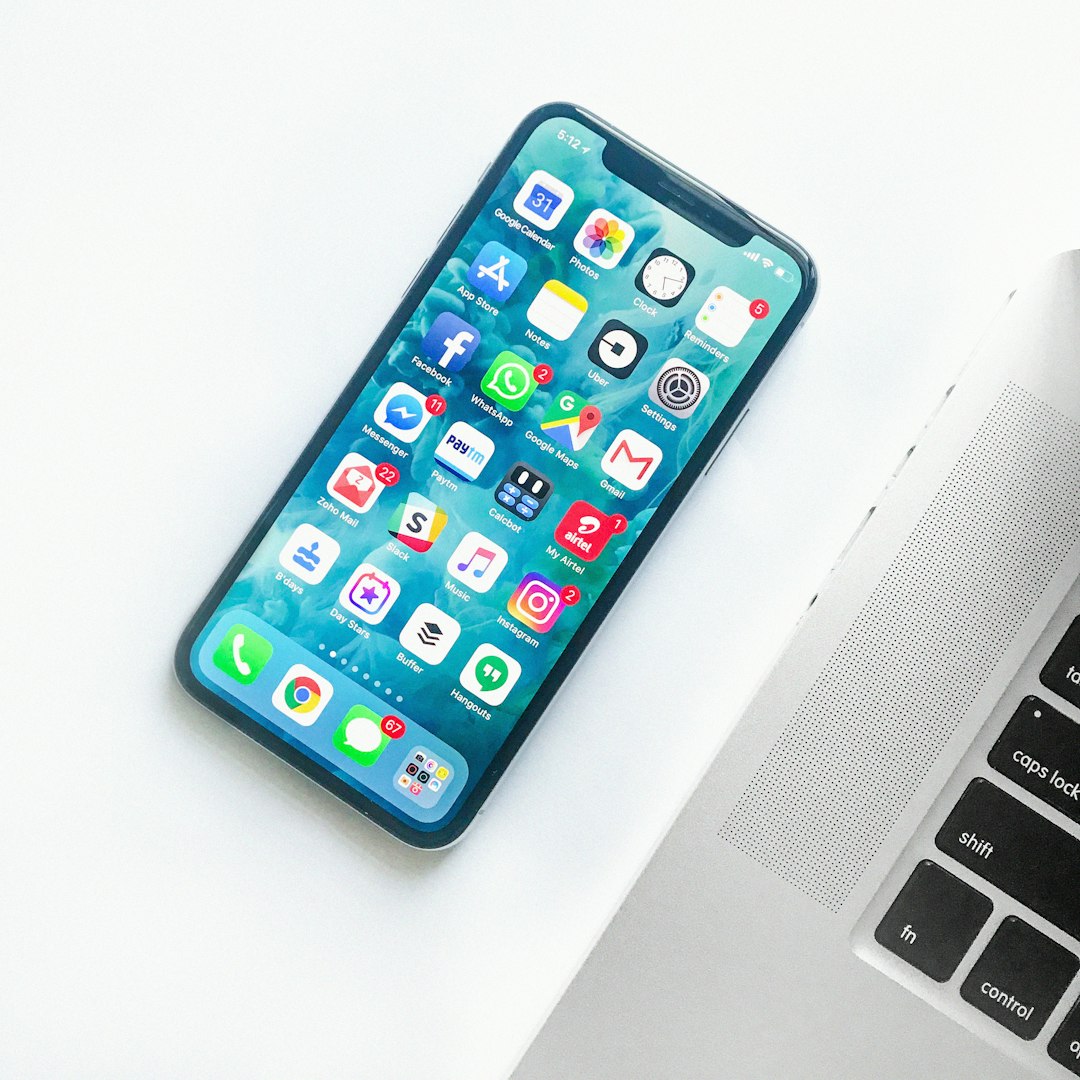
Unwanted phone calls, particularly from telemarketers, are a persistent problem for many consumers. Brandon, like many others, has found himself on the receiving end of countless nuisance calls, leading to frustration and a significant loss of personal time. This issue is not unique to Brandon; millions of Americans face similar challenges daily, with studies indicating that over 4 billion unwanted phone calls are made in the United States each year. The problem is further exacerbated by the difficulty in identifying and blocking these calls effectively. Mississippi, with its No Call Laws, offers some protection, but complete relief requires a multi-faceted approach.
One of the primary solutions lies in leveraging advanced call-blocking technologies. Consumers can now install sophisticated software that identifies and blocks telemarketing calls using sophisticated algorithms. These tools learn from user feedback, continuously updating their databases to include new patterns and numbers associated with nuisance calls. For instance, applications like TrueCall or Nomoroh have proven effective in filtering out not only telemarketers but also scammers and robocalls. Moreover, many modern smartphones come equipped with built-in call-blocking features that allow users to create blacklists and set specific ringtones for blocked numbers.
In conjunction with technological solutions, regulatory efforts play a crucial role. States like Mississippi have implemented No Call Laws, which restrict telemarketers from calling residents who have not given explicit consent. Consumers should familiarize themselves with these laws and register their numbers on the national "Do Not Call" registry. This simple step significantly reduces the volume of unwanted calls. Additionally, staying informed about emerging scams and fraud techniques enables individuals to be more vigilant and report suspicious activities to relevant authorities, contributing to a safer telecommunications environment.